+91 83518 66800
Trek GuidesWinter Cold Management LevelFocus: Winter Trekking Guide Himachal

Winter Trekking Guide: Snow Trails, Gaiters & Sub-Zero Layering

Trudge through waist-deep snow and camp under frosty clear skies with proper gaiters and microspikes.

Jitin Saini
Jitin Saini
Founder & Lead Trek Guide | Alpine Adventures
Published: 2026-07-20Updated: 2026-11-129 min read
Field-reviewed by Jitin Saini (Lead Mountaineering Instructor & Founder • ABVIMAS Certified Mountain Leader)
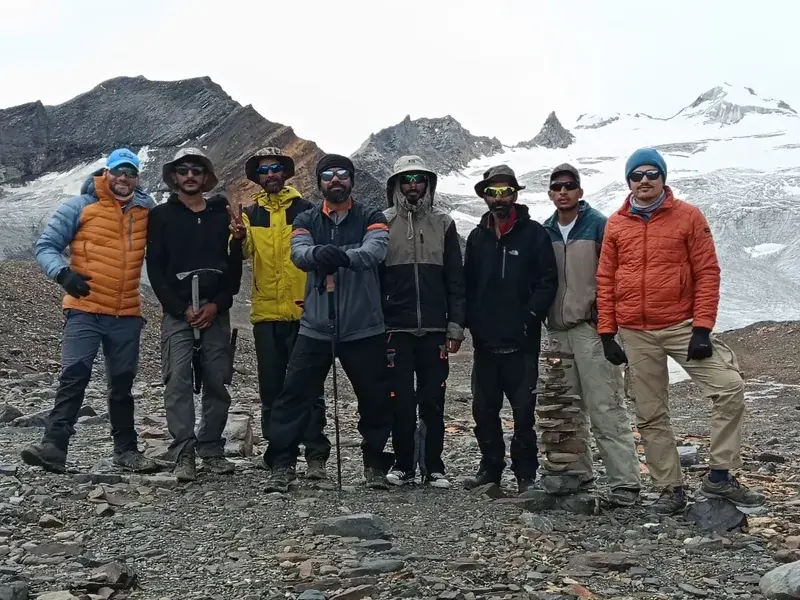
Winter trekkers pausing beside a stone trail cairn along a snow-dusted Himachal ridge
Trek Quick Overview Metrics
DurationDecember to Early March
Max Altitude8,500–10,500 ft Safe Zone
Trek DistanceLower & Mid-Altitude Ridges
Best SeasonLate Dec to February

Winter Trekking Guide: Snow Trails, Gaiters & Sub-Zero Layering

Between December and early March, heavy western disturbances blanket Himachal’s pine ridges in shimmering white snow. While high passes above 13,500 ft seal completely under winter snowpack, well-chosen winter trails below 10,500 ft deliver magical snow camps without technical glacier hazards. Browse dedicated snow routes inside our Winter Treks in Himachal Hub.


Best Winter Snow Trails in Himachal Pradesh


Sub-Zero Layering & Night Warmth Tips

  1. Keep Night Thermals Dedicated: Change completely out of daytime damp sweat socks and base layers before zipping into your sleeping bag. Merino wool or synthetic fleece traps body heat cleanly overnight, whereas cotton holds chill against your skin.
  2. Hot-Water Bottle Trick: Fill a leakproof steel water bottle with boiling water before bed, wrap it inside a wool sock, and tuck it at your feet inside your -10°C sleeping bag.
  3. Never Neglect Eye Protection: Reflected winter sunlight burns unprotected retinas rapidly—wear polarized UV-400 sunglasses every day on snow, and apply SPF 50 sunscreen to your nose, ears, and cheeks.
  4. Traction & Gaiters: Verify your guide supplies microspikes on icy shadowed switchbacks, and strap knee-high waterproof gaiters cleanly over your boot laces before stepping onto fresh powder snow.

Winter Hydration, Camera Batteries & Camp Safety

Cold alpine air suppresses thirst even as heavy winter boots burn high energy. Sip warm electrolyte water or ginger tea every hour, tuck lithium phone and camera batteries inside an inner fleece pocket before sleeping so frost does not drain them overnight, and always keep insulated gloves dry inside waterproof stuff sacks. Before boarding your winter trek, inspect weather turnaround rules with certified guides rather than attempting whiteout ridges solo.

Before locking winter travel dates, inspect daily weather windows and cold-weather gear rules in our Himalayan Packing List, review Himalayan Trek Safety Standards, and request preferred winter dates on Online Booking.
Topic Cluster Hub • High-Altitude Safety, Fitness & Packing

Part of our structured Himachal mountain planning series covering verified routes, safety, and seasons.

Read Cluster Pillar Guide
Leave No Trace & Responsible Himalayan Tourism

Alpine Adventures is deeply committed to preserving the fragile ecology of Himachal Pradesh. Please carry back all personal plastics, refrain from feeding wild animals, and use eco-friendly soaps at campsite streams.

Frequently Asked Questions (FAQs)

Which treks in Himachal remain open during January and February snow?
High passes like Hampta Pass and Sar Pass close under deep avalanche risk in winter, while lower accessible ridges like Prashar Lake, Triund winter route, and Sethan Valley snowshoe trails offer stunning safe winter camping.
What is the difference between gaiters and microspikes?
Gaiters are waterproof sleeves wrapping from your boot ankles to knees so deep powder snow does not enter inside socks; microspikes strap rubber-and-steel teeth underneath your boots for grip on hard-packed black ice.
What sleeping bag temperature rating is required for Himachal winter camping?
For winter snow camps at Prashar Lake, Triund ridge, or Sethan between December and February, verify your sleeping bag carries a comfort rating of -10°C paired with an insulated R-value sleeping mat beneath it.
Jitin Saini

Jitin Saini

Founder | Alpine Adventures

"Written and field-tested from firsthand Himalayan guiding in Himachal Pradesh."

Jitin Saini is the Founder of Alpine Adventures and an ABVIMAS & NMI trained Himalayan trek leader based in Mandi, Himachal Pradesh. He specializes in safe, small-group mountain guiding, transparent trail logistics, and Leave-No-Trace trekking across Kullu, Manali, Parvati Valley, and Dharamshala.

ABVIMAS & NMI Certified Mountain LeaderMandi & Manali, Himachal Pradesh

Ready for your Himachal Adventure?

Book your slot with Alpine Adventures for verified guides, warm campsite tents, delicious hot meals, and safety gear.

Book This Expedition

Need customized dates or private group booking for this trail? Speak directly with our mountain leaders.

Request Custom Quote

Related Himalayan Guides

View All Articles
Trekkers layered in insulated jackets and backpacks ascending a Himalayan snow ridge
Packing ListsPreparation Guide
2026-07-05•8 min read

Ultimate Packing List for Himalayan Treks: Summer & Winter Gear

Learn the 3-layer clothing technique, shoe selection rules, and gear list to keep your backpack under 10 kg while remaining warm and safe.

Jitin SainiJitin Saini
Read Article
Triund ridge trail under clear skies facing Dhauladhar snow walls
Trek GuidesEasy
2026-08-01•11 min read

Best Time to Do the Triund Trek: Month-by-Month Weather, Snow & Packing Guide

Triund is accessible almost year-round, but each season offers a completely distinct Himalayan experience. Discover the ideal month for snow, wildflowers, or crystal-clear ridge sunsets.

Jitin SainiJitin Saini
Read Article
Mountaineering rope team ascending safely acclimatized on a high Himalayan glacier
Safety TipsMedical & Safety Pillar
2026-07-12•10 min read

High Altitude Sickness (AMS) Guide: Symptoms, Prevention & Diamox Rules

Understand AMS symptoms (headache, nausea, fatigue), acclimatization golden rules, and emergency protocols above 10,000 ft.

Jitin SainiJitin Saini
Read Article